






Health Insurance in India

Individual Health Insurance: A Complete Guide to Smart Medical Protection

Health care is becoming more and more expensive. One medical catastrophe can wreck not just your health, but the long-term financial picture as well. In this case, saving alone is not a viable alternative. That’s where you need individual health insurance to serve as an important financial instrument. It offers health coverage customized for one individual, because nobody wants a small rate of return when it comes to medical expenses.

Contrary to the above market or mutual plans, individual health insurance is concerned only about a single person being insured. The cover, benefits and sum insureds are exclusively for the individual, very unique and customized protection. Whether you are single, self-employed or looking for the best way to secure your family’s future while saving money on healthcare, knowing individual health insurance options is a paramount in making better decisions.

This article will cover the specifics of individual health insurance, including what it is and how it works, who should purchase it, its pros and cons, and how to pick a policy that works for you. The aim is to assist you in gaining a clear understanding of this form of insurance, so that you are able to protect them confidently as far as your health and wealth are concerned.

What Is Individual Health Insurance?

Private or individual health insurance policies are those that cover only one person and not the whole family. The total sum assured is exclusively accruing for that member alone and cannot be availed by another family member. All benefits, limits and coverage are per policy holder.

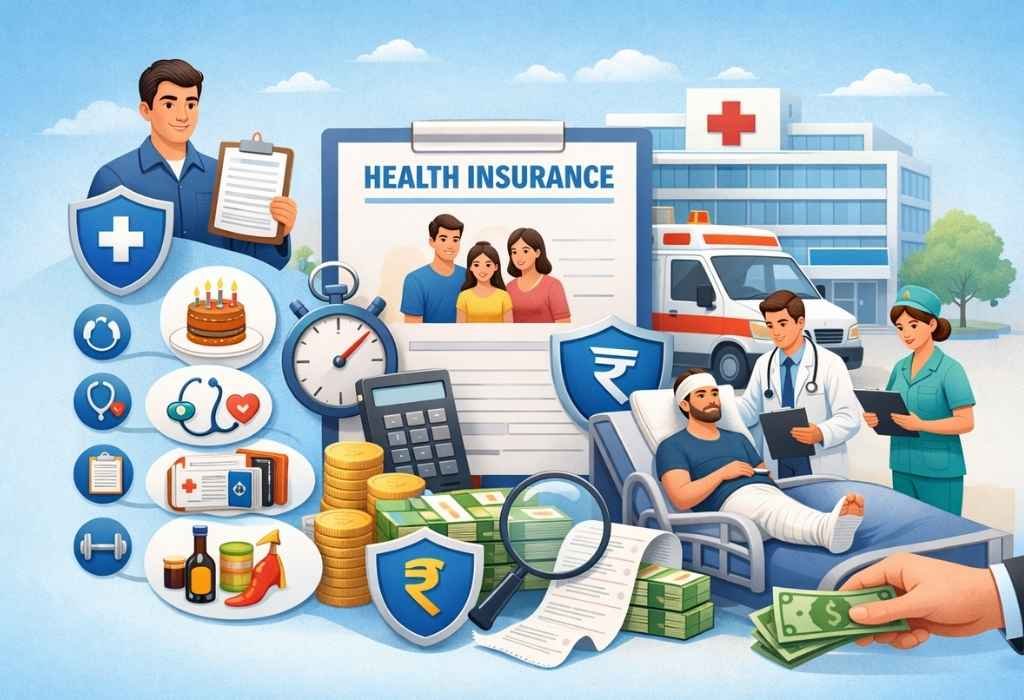
This is the type of insurance that will cover fees of hospitalization, treatments, doctors’ charges, medicine costs and diagnostics among other medical services. In the event the insured becomes sick or is injured, it assists cover all or part of the medical expenses as stipulated in policy agreements.

As opposed to family policies, it is not tied to the health of others or their claims. No one else’s medical needs are taken into account when you decide what is covered, so it’s especially beneficial for people who want total control over their own health coverage.

Health Insurance
Simple Definition of Health Insurance

1. Simple Definition of Individual Health Insurance

Individual health insurance is a form of coverage that pays for the healthcare costs incurred by an individual. It helps cover expenses like hospitalization, doctor visits, medicines and treatments. One person buys the policy, for which only that insured person the benefits. It protects you financially against unplanned expenses of health services.

Purpose of Health Insurance

2. Purpose of Individual Health Insurance

Individual health insurance aims to protect against expenses incurred by an individual. It covers expenses like hospitalization and doctor consultations, medicines and medical tests. Personal Health Insurance allows a person to afford adequate medical care without being financially burdened. It also offers peace of mind by protecting one’s health and finances during medical emergencies.

How Individual Health Insurance Works

When you buy a Individual Health Insurance, your premium amount is determined by certain factors as well, and they include your age, health status, medical history (if any), lifestyle habits and the sum-insured opted. In exchange, the insurance provider consents to pay a portion of your medical bills up to a certain amount throughout the term of your policy.

In case you need to avail medical treatment, you can either get cashless treatment at a network hospital or make payment on your own and later, claim reimbursement. It covers hospitalisation costs such as room rent, surgeries, medical treatment or drugs and diagnostic tests up to the sum assured of the policy.

The policy is generally renewed annually. If you renew the policy on time, your coverage lives on and some features like completion of the waiting period and cumulative bonus can grow with time.

How Health Insurance Works

The Importance of Individual Health Insurance

Medical crises often arrive without warning. But an unexpected illness or accident can result in large medical bills, even for a brief hospital stay. The individual health policy is the safety net which shields you from such unforeseen expenses.

One of the greatest benefits is being financially independent. Because the policy is in place on behalf of one individual, it does not get used up by another person’s medical care. This can be useful for people who have specific health issues they need covered, or who want tailored coverage.

Peace of mind is another major factor. The piece of mind of not having to worry about your medical bills, is a peace that exceeds just being happy and quite freeing. It also becomes an important aspect of long-term financial planning, as a good individual health insurance policy can protect you from significant expenses of accidental and critical medical issues.

Health Insurance vs Paying Medical Bills Yourself

Individual Health Insurance Key features

There are a number of qualities about individual health care insurance that makes it ideal for those looking for specific and undivided medical coverage. Some of these points may differ based on the insurance plan, but the fundamental benefits are consistent.

Key features include:

  • Hospitalization expenses including room rent, nursing charges, operation theater charges and medical procedures etc.
  • Pre and post hospitalization coverage for diagnostic tests, medicines & follow up consultations for a certain period.
  • Paperless In-patient admission in the network hospitals with e-card, which means you need not carry-free individual process for claim/authorization.
  • Reimbursement facility for treatments taken at other than network hospital
  • Guaranteed renewable for life, for uninterrupted health coverage with no age limitations
  • Benefit for daycare treatments without 24 hour hospitalization
  • Waiting period on Pre-existing diseases, as per policy terms
  • No-claim bonus on sum insured increase for every claim-free year
  • Annual health check-ups for free or at a discount.
  • Tax relief u/s 80D of the Income Tax Act
How Individual Health Insurance Works

Who Should Purchase Individual Health Insurance?

Rising Medical Inflation

Self-Employed Professionals

Self-employed person or freelancers generally must not receive employer-based health insurance. It helps them cover medical costs and kitchen expenses in case of an accident or any health emergency.

Emergency Financial Security

Young Professionals

Early-career employees not covered by employer health insurance should purchase individual health insurance. Additionally, buying coverage at a younger age can help lock in lower premiums and long-term coverage benefits.

Tax Benefits Under Section 80D

Senior Citizens

Increased health care demand: Older people frequently need medical attention and healthcare support. Health insurance for individual offers you a financial cushion against hospitalization, medical procedures and other health-related expenditures.

Cashless Treatment Access

Uninsured Individuals

Individuals who are uninsured should buy an individual policy. This offers protection from high medical costs and also guarantees access to quality healthcare when needed.

Protection for Family Members

People with Dependents

Family members who provide financial support should explore individual health insurance. It protects against the risk of surprise medical bills depleting family savings and leads to appropriate treatment getting delivered on time.

Individual Health Insurance Claim Process

Cashless Treatment Access

Cashless Claim

In the cashless claim, the insurance coverage company pays hospital bills straight at a community hospital, and thus the policyholder does not have to pay upfront. While the insured has to fill in a claim form at hospitals and it is sent to an insurer for approval. Verification is done and medical expenses are covered according to the terms of the policy.

Protection for Family Members

Reimbursement Claim

In case treatment is done at a non-network hospital, the policyholder opts for a reimbursement claim. The policyholder pays the bills at the hospital and then files a claim form, along with bills and medical records to the insurer. The insurance company then pays you the claim amount based on the terms of your policy, after verifying your submissions.

Key Benefits of Individual Health Insurance

Hospitalization Expenses Coverage

Financial Protection

Health insurance ensures you don’t have to worry about unexpected medical bills. It also assists with hospitalization, treatment, surgery costs so your savings are not affected severely.

Pre and Post Hospitalization Coverage

Cashless Treatment

Most health insurance policies provide treatment at network hospitals on a cashless basis. This means the insurance company pays the hospital bills directly, further simplifying and relieving stress from treatment.

Daycare Procedures

Pre & Post Hospitalization

This policy usually includes the coverage for medical expenses incurred before and after hospitalization. Includes consultations with your doctor, diagnostic tests, and medicines used for treatment.

Ambulance Charges

No Claim Bonus

You will also be eligible for a No Claim Bonus if you do not make any claim in the policy year. This benefit raises your sum insured or offers premium discounts on policy renewal.

No Claim Bonus (NCB)

Day-Care Procedures

Also covered are modern treatments that don’t need 24-hour hospitalization. Many plans may involve procedures like cataract surgery, dialysis and chemotherapy.

Critical Illness Insurance

Tax Benefits

Policyholders are entitled to a tax deduction on the premium paid against health insurance as per Section 80D of the Income Tax Act that further reduces the overall tax outflow.

Preventive Health Checkups

Lifetime Renewability

Most individual health insurance plans provide lifetime renewability. It means you can keep your cover even into older age without the threat of losing your health protection.


What is Covered under Individual Health Insurance Plans?

Inclusions

These are the medical expenses generally covered under most individual health insurance policies.

  • Hospitalization Expenses – It pays room rent, doctor footings, nourishing business charges, drugs and treatment expenses if the organized being get admitted to healing centers for more than 24 hours.
  • Pre-Hospitalization Costs – The medical expenses incurred in the outpatient department (OPD) prior to being admitted to the hospital including diagnostic tests, consultations and medicines are generally covered for a certain number of days.
  • Post-Hospitalization Costs – For a time after discharge, costs associated with follow-up treatment, medications and doctor visits are covered.
  • Day-Care Treatments– Procedures that do not require 24-hour hospitalization, such as cataract surgery, dialysis or chemotherapy, are widely covered.
  • Ambulance Charges – Emergency ambulance transport to the hospital is typically covered within the policy limits.
  • Cashless Treatment – Most insurers provide cashless treatment in such network hospitals that settle the medical bills directly with the insurance company.

Exclusions

Exclusions refer to situations or treatments that are generally not covered by individual health insurance plans.

  • Pre-Existing Diseases (Initial Period) – Pre-existing conditions at the time policy is purchased, are generally covered after a waiting period only.
  • Cosmetic or Aesthetic Procedures – Treatments performed for cosmetic reasons, such as plastic surgery without medical necessity, are usually not covered.
  • Self-Inflicted Injuries – Most insurance policies exclude medical treatment relating to self-harm or suicide attempts.
  • Dental and Vision Treatments – Routine dental care and eye treatments are typically also not included unless deemed necessary following an accident.
  • Alternative or Experimental Treatments – Some unapproved experimental treatments or therapies may be excluded from coverage by medical authorities.
  • Injuries Due to Illegal Activities – Medical care in connection with illegal acts or drug abuse is generally not covered.

What is the Optimum Coverage for Individual Health Insurance?

Individual health insurance coverage varies in extent according to age, lifestyle, medical history and the person’s city of residence. Sum insured: A sum insured that can take care of any big medical emergencies without pain on your savings.

In case of India, ₹5 lakh to 10 lakh coverage is sufficient for most individuals. However, for said people with metro cities or higher health risks ₹10 lakh + could prove worthwhile, considering healthcare costs are rising.

It helps in choosing the appropriate coverage so that hospitalization, treatment costs can be managed well during times of medical emergencies.


How to Buy Individual Health Insurance Online?

You can make purchasing individual health insurance easy by visiting one of the following sites and comparing coverage plans. You can compare the different plans and buy the one that is right for you in just a few easy steps.

Step 1: Visit an Insurance Website – Visit the official website of an insurance provider or a reliable comparison portal and choose the option for health insurance.

Step 2: Enter Personal Details – Allot age, gender and city, medical history so the company can get relevant people coverage.

Step 3: Compare Plans – Compare various policies in terms of coverage, premium, benefits, waiting period and network hospitals.

Step 4: Choose the Right Plan – Choose a plan that provides sufficient coverage for you and your family while still being affordable on your budget.

Step 5: Make the Payment Online – Fill out the application and pay the premium online. Once the payment has been made, they instantly issue the policy document digitally.

With direct writing, individuals can buy health insurance rapidly without visiting an agent or an insurance office.

Waiting Periods in Individual Health Insurance

The waiting periods are a significant component of the individual health insurance offerings. They lay out how long you have to wait before you can access certain kind of benefits.Most policies come with a waiting period at the beginning of coverage during which you’re not covered for anything non-emergency-the length of this will vary depending on your insurer. There are typically longer waiting periods for pre-existing conditions which can be anything from a few years depending on the policy.

It’s important to know about waiting periods because they determine when you can receive certain benefits. By having a policy in place when people are young, these waiting periods can be satisfied sooner, and better coverage is available later in life.

Eligibility for Individual Health Insurance

Individual health insurance policies can be purchased by people between the age of 18 years and 65 years by most insurance companies. But many insurers also cover children and their needs when they’re added under a parent’s policy.

Health insurance for older people also includes special health plans that cover age-related ailments and diseases. The eligibility criteria might differ for various insurance agents and policy options.

Older applicants or those seeking larger amounts of coverage may have to undergo a medical exam before the insurer issues the policy.


Health Insurance vs Mediclaim

Individual Health Insurance vs Other Health Policies

The health insurance premium is the cost you pay to stay in good standing with your policy. Premium cost is another factor and insurers use several risk-related factors to calculate the premium. Knowing these factors helps you purchase the appropriate coverage at the correct price.

Age of the Insured

Age of the Insured

Age is one of the biggest factors in premium calculation. Younger people typically pay lower premiums because they’re deemed lower-risk. As one ages, the risk of getting any illness is much more higher which leads to a rise in the premiums. And that’s why it’s cheaper to purchase health insurance when you’re younger.

Medical History

Medical History

Your past and current health conditions matter a great deal. However, the premium could be higher if you have existing diseases such as diabetes, hypertension, heart conditions. Insurers evaluate your health records to predict the risk of future claims.

Coverage Amount (Sum Insured)

Coverage Amount (Sum Insured)

Higher the sum insured, higher is the premium. So, a ₹5 lakh policy will be cheaper than a ₹20 lakh one. How much coverage you need depends on your city, lifestyle and possible medical needs.

City or Location

City or Location

City to city healthcare costs differ. Metro cities like Delhi, Mumbai, or Bangalore have usually higher premiums as the medical treatments in such cities are far more expensive. Your location is one of the factors insurers take into account when determining the premium.

Lifestyle Factors

Lifestyle Factors

Lifestyle habits — smoking, drinking alcohol, are overweight or have dangerous jobs — can put their health at risk. Individuals with better lifestyles tend to receive lower premiums than those in higher risk profiles.

Policy Add-ons

Policy Add-ons

Add-ons (or riders) offer you additional coverage for things such as maternity cover, room rent waiver, critical illness cover or personal accident covers. Although they enrich coverage, they also raise the overall premium. Limiting optional extras helps keep the cost of up-spec to an agreeable level.

Individual Health Insurance vs Family Floater Plans

Individual health insurance vs family floater – which is better, will depend on individual requirements.

With individual health insurance, coverage for each person is separate so that the maximum sum insured will be available to one individual. This helps individuals with additional medical needs.

In contrast, family floater plans cover more than one family member under a single sum insured. Usually less expensive, but the payout is divided between all the members.

Health Insurance vs Mediclaim

Now let’s compare Individual Health Insurance vs Family Floater in detail:

FeatureIndividual Health InsuranceFamily Floater Plan
CoverageCovers only one person under the policy with dedicated medical protection.Covers multiple family members such as spouse, children, and sometimes parents under a single policy.
Sum InsuredThe entire sum insured is available only for the individual policyholder during the policy year.The total sum insured is shared among all insured family members in the policy.
PremiumPremium is usually higher because each person needs a separate policy and coverage amount.Premium is generally lower compared to buying separate individual policies for every family member.
Best ForSuitable for individuals who want dedicated coverage or have higher medical risks.Ideal for families who want to cover multiple members under one policy at a lower cost.
Claim UsageOnly the policyholder can use the full insured amount for medical expenses.Any family member can use the insured amount, but it reduces the remaining coverage for others.
FlexibilityOffers more flexibility to customize coverage and add-ons for a single person.Customization options are limited because the plan is designed for multiple members.

How to Choose the Right Individual Health Insurance Policy

Individual health insurance plans are the best policy to choose, so you have the right medical care while also protecting your finances in case of an emergency. Here are some important things to keep in mind before you choose a policy.

Coverage Amount

Select a policy with a sufficient sum insured to be able to cover hospitalization, treatments as well as other medical expenses, without worrying about your finances.

Network Hospitals

Check the list of network hospitals that your insurer has which ensures easy cashless treatment when needed.

Waiting Period

Check the waiting period for pre-existing diseases and specific treatments so that you know when the full cover will apply.

Premium Cost

Now, Compare the premium of various plans and select one that provides fair coverage at a great reasonable and affordable price.

Claim Process

Choose an Insurance provider that has swift and easier claim settlements, with a good ratio.


Policy Benefits

Seek out even more benefits like daycare treatments, pre- and post-hospitalization coverage, and optional add-ons for superior protection.

These considerations allow you to choose a healthcare insurance plan that maximizes coverage for the lowest premium cost.

How to Take Advantage of Tax Benefits with an Individual Health Plan

Individual health insurance plan has tax benefits under Section 80D of the Income Tax Act. The premium which you pay toward the policy will be tax deductible and it reduces your taxable income.

You can deduct premiums paid on behalf of yourself, your spouse, dependent children and parents. There are higher limits available for senior citizens, and preventive health check-up spends also fall under the overall limit.

Future of Individual Health Insurance

With rising healthcare costs and heightened awareness about medical protection, the future of individual health insurance in India predicts vigorous growth. Personal health coverage now offers more and more people the only means available to protect themselves against unforeseen medical expenses.

Insurance providers are also rolling out enhanced features like management of their policies digitally, quicker claims settlements and cashless treatments across a wider network of hospitals. Technology and data-oriented services are rendering health insurance more accessible and consumer-friendly.

The reading suggests that personalized health plans, along with wellness benefits and preventive care services will be the norm in years to come. These changes will ensure people have greater coverage, better healthcare resources, and more robust financial protections.

Who Should Buy Health Insurance

Documents Required to Buy Individual Health Insurance

The purchase of individual health insurance is a no hassle task, yet you must furnish some primary documents for verification purposes. These documents assist the insurer in verifying your identity, age and medical history

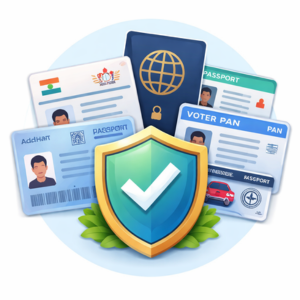
Identity Proof

Identity Proof

You have to submit a valid identity proof like Aadhaar Card, PAN card, Passport, Voter ID & Driving Licence. This assists the insurance company in validating your identity and processing the policy.

Age Proof

Age Proof

Age being an important factor for premium calculation. Age proof can be done through documents like Aadhaar Card, Birth Certificate, Passport or 10th Marksheet.

Address Proof

Address Proof

It is a proof of Address to verify your residency. Aadhaar Card, Utility Bills, Passport, Rental Agreement documents are also usually accepted.

Medical History Details

Medical History Details

It could mean that you have to disclose your past and current medical conditions, continuing treatments or previous surgery. So, medical tests may be requested by the insurer in certain cases, especially for senior citizens or for larger coverage amounts before issuing a policy.

Having these documents handy will make the process of buying health insurance much easier and faster.

Pros and Cons of Individual Health Insurance

Pros

Individual health insurance provides coverage for one person under a single policy. It assists people in controlling medical costs and guarantees financial security in times of health crises.

Pros of Individual Health Insurance

  • Offers individualized health cover for one person only, so the entire sum insured can be used to pay for their hospital costs.
  • Provides coverage for inpatient care, medical services, and increasing healthcare prices.
  • Provides flexibility in selecting coverage, add-ons, and hospitals as per individual healthcare requirements.

Cons

Individual health insurance is great as it provides personal medical coverage, but of course it has restrictions that you need to know before selecting any policy.

Cons of Individual Health Insurance

  • The premium might be high compared to the family floater plans because everyone has to get a separate policy.
  • Each family member needs their own policy, which can make an overall plan pricier.
  • Premiums may rise with age or due to medical history when you renew.

Renewal, Portability & Policy Cancellation

You get several options for policy management like renewal, portability, and cancellation of the policy.

Policy Renewal Rules

For individual health insurance plans, there’s often lifetime renewability. This means that you are still able to renew the coverage of your insurance policy by making the payment for renewal premium before the due date.

Insurance Portability Meaning

Portability means you can transfer your health insurance policy from one insurer to another, without losing the benefits you have accrued like waiting period credits and no-claim bonus.

Grace Period & Lapse

If a policyholder does not want to continue with the health insurance policy, he can cancel it at any time. Typically, insurers offer a pro-rata refund of premium depending on cancellation terms.

How Premium is Calculated in Individual Health Insurance

There are many factors that determine the premium for health insurance. Insurance companies determine the premium based on risk and coverage.

Deduction Under Section 80D

Age of the Policyholder

Your age is an important factor in health insurance rates. In general, younger people pay lower premiums because they are less risky for insurance companies.

Deduction Limits

Medical History and Lifestyle Habits

Medical history and lifestyle habits also play a role in the premium. Underwriting existing conditions or habits, such as smoking or drinking, for example, raises health risks and therefore a premium.

Deduction Limits

Sum Insured Amount

As the sum insured increases, so will the premium. More coverage equals more potential payout from the insurer in a claim.

Preventive Health Check-up Benefit

Location and Healthcare Costs

Premiums can also vary depending on where a policyholder lives. Insurance premiums in cities where healthcare and hospital costs are higher tend to be somewhat elevated.

In general, younger people pay less in premiums than older applicants.

Conclusion

Individual health insurance is an effective way to protect your health and financial future. It allows you to protect yourself with full-coverage, strength and peace of mind in the case of medical issues. Though it may be more expensive than shared policies, the advantages of having dedicated coverage often outweigh the cost.

By opting for the right policy early with a clear understanding of its terms, long term protection from increasing healthcare costs can be ensured. Health insurance is more than just a cost, it’s an investment in your health and future.

Frequently Asked Questions (FAQ) – Individual Health insurance

Q1. What is individual health insurance?

Private health insurance is an insurance policy that provides funding for medical treatment if the policy holder becomes sick or injured.

It depends on personal needs. Individual health insurance provides cover that is tailored for you, while joint plans could be a good fit for your family if you want to share it.

The earlier you invest the better as premiums are lower and waiting periods are reached much sooner.

Always, but only after a waiting period as set forth in the policy.

Lifetime renewability, subject to timely renewal, is available in most policies.

Yes, most individual health insurance plans are also covered daycare treatments which do not require hospitalization of 24hours.

Yes, companies have add-ons for an individual to avail critical illness cover; maternity benefits would be added as cover along with room rent upgrade for better coverage.

It depending on the age and health of the top-up applicant and the sum insured sought, some insurers will require a medical check-up before issuing up your policy.

Ambulance charges are covered as part of most health insurance policies, with a cap on this expense.

Yes, as per insurance regulations, policyholders can port their health insurance to another insurer and retain some benefits.